Cores
Call Us
(615) 343-8776
tn-cfar@vumc.org
About the Tennessee CFAR DC
Our CFAR’s institutional and community environment is rich in opportunity and with a culture of engagement and collaboration, the Developmental Core will support and enhance collaborative, interdisciplinary HIV/AIDS research at the four partner institutions of the Tennessee CFAR – Vanderbilt University, Meharry Medical College, the Tennessee Department of Health, and Nashville CARES. The Development Core will not only provide funding for promising junior investigators, but will also assure that there is appropriate mentoring together with activities to foster team building. This will help junior investigators appreciate the critical importance of effective collaboration as they develop as academic research scientists. The HIV-focused Developmental Core funding, mentoring, and skill development will be leveraged with outstanding institutional support at Vanderbilt and at Meharry to maximize the potential for important, ground-breaking research that will lead to extramural funding support, and that ultimately has substantial impact on the burden of HIV/AIDS in Tennessee, the nation, and worldwide.
Specific Aims of the DC
- To administer a robust CFAR DC Awards program that supports interdisciplinary HIV research projects and new HIV research pilot projects.
- To ensure mentoring of investigators new to HIV research, with a focus on early stage, minority, women, and public health investigators, to enhance competitiveness for extramural funding.
- To foster academic skills development and scientific team-building.
This CFAR envisions the DC as both a magnet and an engine: a magnet that attracts early-stage and established investigators into HIV research and an engine that provides structure and drive to nurture promising investigators toward success in NIH grant funding. The DC has been highly impactful, has continued to modify its approach based on “lessons learned”, and has implemented new initiatives to have even greater impact moving forward. Since the Tennessee CFAR was established in 2015, the DC has pursued 3 complementary aims so as to support early-stage investigators (ESI) pursuing innovative new lines of inquiry, and to foster new HIV research collaborations. The CFAR DC is led by John Koethe MD, MSCI (Director), Timothy Sterling, MD (Associate Director at Vanderbilt University Medical Center (VUMC)), and Fernando Villalta, PhD (Associate Director at Meharry Medical College (MMC)). Dr. Koethe is Associate Professor of Medicine at Vanderbilt, PI of HIV-focused NIH R01, R56, and other grants, and the Co-PI and Program Director of the NHLBI-supported V-SCHoLARS K12 program to train faculty-level physician scientists in research on HIV-related heart, lung, blood, and sleep comorbidities. Dr. Koethe will lead the administration of a robust DC Awards program. Dr. Sterling, Professor of Medicine and Director of the Vanderbilt Tuberculosis Center, and Dr. Villalta, Chair and Professor, Microbiology, Immunology and Physiology at Meharry Medical Center, are both experienced, senior mentors and will jointly oversee the effective mentoring of new and ESI who apply for and/or receive DC Awards and academic skills development and scientific team building among CFAR members. The DC will pursue 3 specific aims, reflecting our 3-pronged action plan:
To ensure mentoring of investigators new to HIV research, with a focus on early stage, minority, women, and public health investigators, to enhance competitiveness for extramural funding.
We will continue to provide consistent, proactive, skilled mentoring to ESI both before and after they apply for DC Awards. We will have enhanced periodic one-on-one outreach to awardees as well as unfunded DC Award applicants to ensure quality mentorship and emphasize linkage to phenomenal local career development resources and non-CFAR funding mechanisms open to VUMC and MMC members. We will continue our new emphasis on convening a mentoring committee for a new investigator at Nashville CARES (the largest local HIV community organization), and on identifying new collaborations to link ESI with mid-career investigators.
To enhance the HIV research productivity of VUMC, MMC, TDH and CARES by supporting and coordinating collaborative and trans-disciplinary approaches.
The AC will foster new collaborations among existing HIV investigators, and investigators not yet engaged in HIV research. It will also continue to grow community-engaged research (CEnR), and will identify and support new and existing collaborations beyond CFAR, including CFAR-to-CFAR collaborations.
To foster academic skills development and scientific team-building.
We will continue our emphasis on focused participatory research training for all CFAR investigators. These include a Works-in- Progress Series for awardees to receive critical feedback, a team-based approach to increase manuscript and grant submission productivity of DC Awardees, bi-directional evaluations of mentors and mentees, and annual DC Retreats focused on success of DC Awards, career development, and skill building resources in manuscript and grant writing. We will continue our recent emphasis on linking mid-career and senior investigators within the CFAR institutions and with outside investigators to enable proactive team building for newly released NIH funding opportunity announcements and other funding sources, including identification of potential collaborators, logistical support for meetings, and support for grant development.
Services Offered
- Funding opportunities for early-stage investigators, and for established investigators new to HIV, through pilot awards and supplements
- Mentoring & Career Development – Fostering scientific tam building and skills development through sprint teams
- Training & Education
- Grant Writing & Review
- Consultations
For service request or inquiries, please contact tn-cfar@vumc.org
DC Leadership
Chandravanu Dash, PHD
Core Director | View Profile Here
Jessica Castilho, MD, MPH
Co-Director | View Profile Here
Timothy Sterling, MD
Co-Director | View Profile Here
Developmental COre awardees 2025
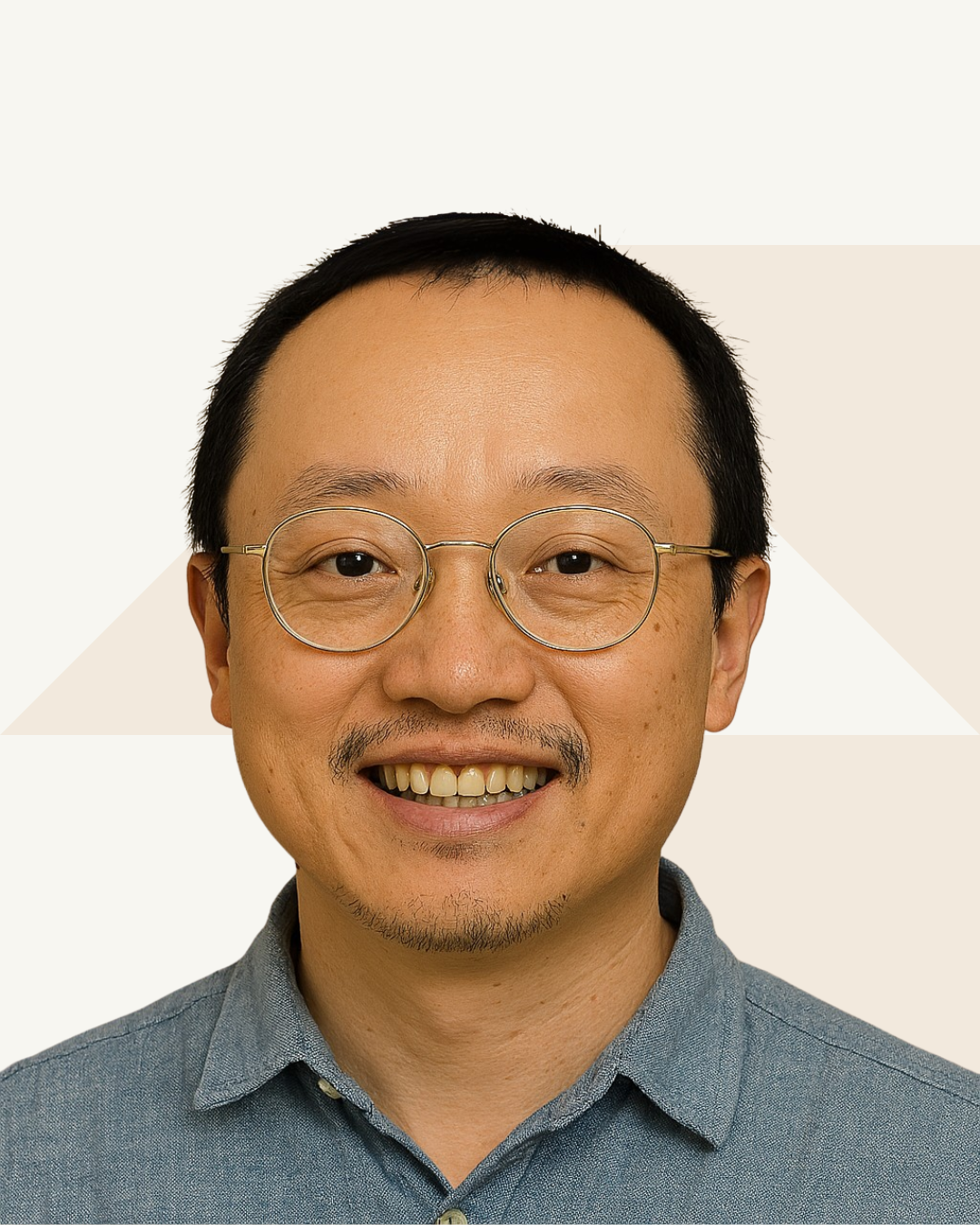
Ying Dang, PhD
Staff Scientist
Center for AIDS Health Disparities Research (CAHDR)
Department of Microbiology, Immunology, and Physiology
Meharry Medical College
The Project
Development of a Novel CRISPR/Cas9 Nickase-based Gene Editing Strategy for Precisely Duplicating Naturally Occurring Human CCR5 Delta 32 Mutants Without Double-Strand Breaks (DSBs).
Dr. Ying Dang is a staff scientist in the RCMI program at Meharry Medical College. He received his molecular virology training at Michigan State University and Texas Tech University. His research centers on developing universally optimized strategies for CRISPR/spCas9 gene editing systems and their in vivo/ ex vivo delivery mechanisms. The gene editing core has helped numbers of investigators on designing and implementing projects based on state-of-the-art gene editing technology. He has also contributed to the identification of key host factors involved in intercellular innate immunity against retroviruses.
One of his notable achievements includes enhancing the structural design of spCas9 sgRNA, which has led to a significant improvement in on-target editing efficiency. Leveraging his expertise, Dr. Dang successfully led a start-up R&D team in conducting an IND-enabling Phase 0 clinical study in China, targeting β-Thalassemia through a lentiviral vector and human pluripotent stem cell (hPSC)-based ex vivo gene therapy approach.
His long-term goal is to harness cutting-edge gene editing technologies to develop innovative anti-HIV gene therapies capable of preventing or halting disease progression, including the onset of AIDS.

Amanda Lea, PhD
Assistant Professor, Department of Biological Sciences
Vanderbilt University
The Project
Development of a Novel CRISPR/Cas9 Nickase-based Gene Editing Strategy for Precisely Duplicating Naturally Occurring Human CCR5 Delta 32 Mutants Without Double-Strand Breaks (DSBs).
Dr. Ying Dang is a staff scientist in the RCMI program at Meharry Medical College. He received his molecular virology training at Michigan State University and Texas Tech University. His research centers on developing universally optimized strategies for CRISPR/spCas9 gene editing systems and their in vivo/ ex vivo delivery mechanisms. The gene editing core has helped numbers of investigators on designing and implementing projects based on state-of-the-art gene editing technology. He has also contributed to the identification of key host factors involved in intercellular innate immunity against retroviruses.
One of his notable achievements includes enhancing the structural design of spCas9 sgRNA, which has led to a significant improvement in on-target editing efficiency. Leveraging his expertise, Dr. Dang successfully led a start-up R&D team in conducting an IND-enabling Phase 0 clinical study in China, targeting β-Thalassemia through a lentiviral vector and human pluripotent stem cell (hPSC)-based ex vivo gene therapy approach.
His long-term goal is to harness cutting-edge gene editing technologies to develop innovative anti-HIV gene therapies capable of preventing or halting disease progression, including the onset of AIDS.